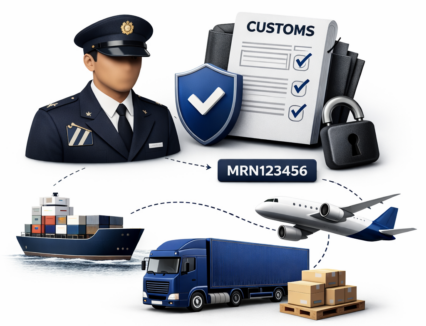

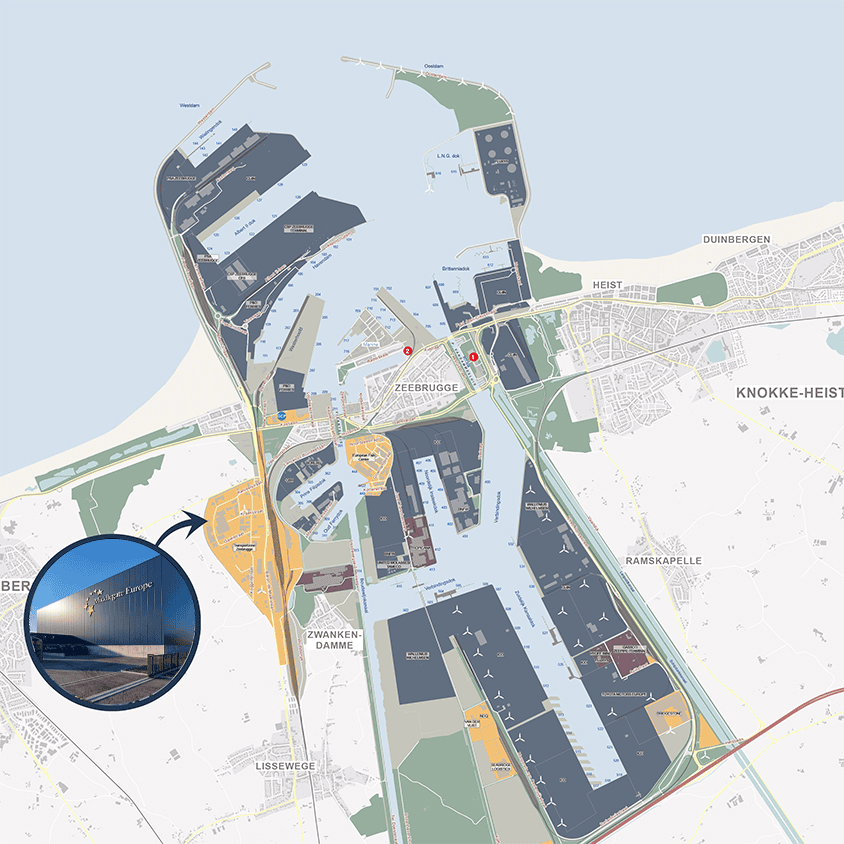
Battery volume arrives in Europe the same way everything else does, in deep sea containers from Asia. What happens in the first few hours after discharge decides most of your cost. Move the boxes across the country to find a compliant warehouse and you pay for the drayage, the demurrage and the risk. We are building the compliant warehouse next to the terminal instead.

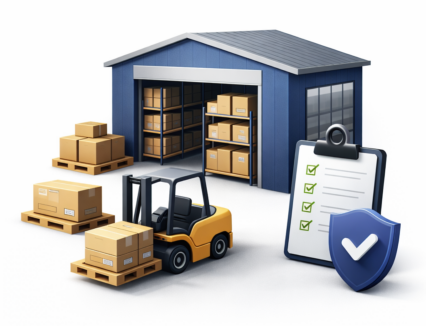
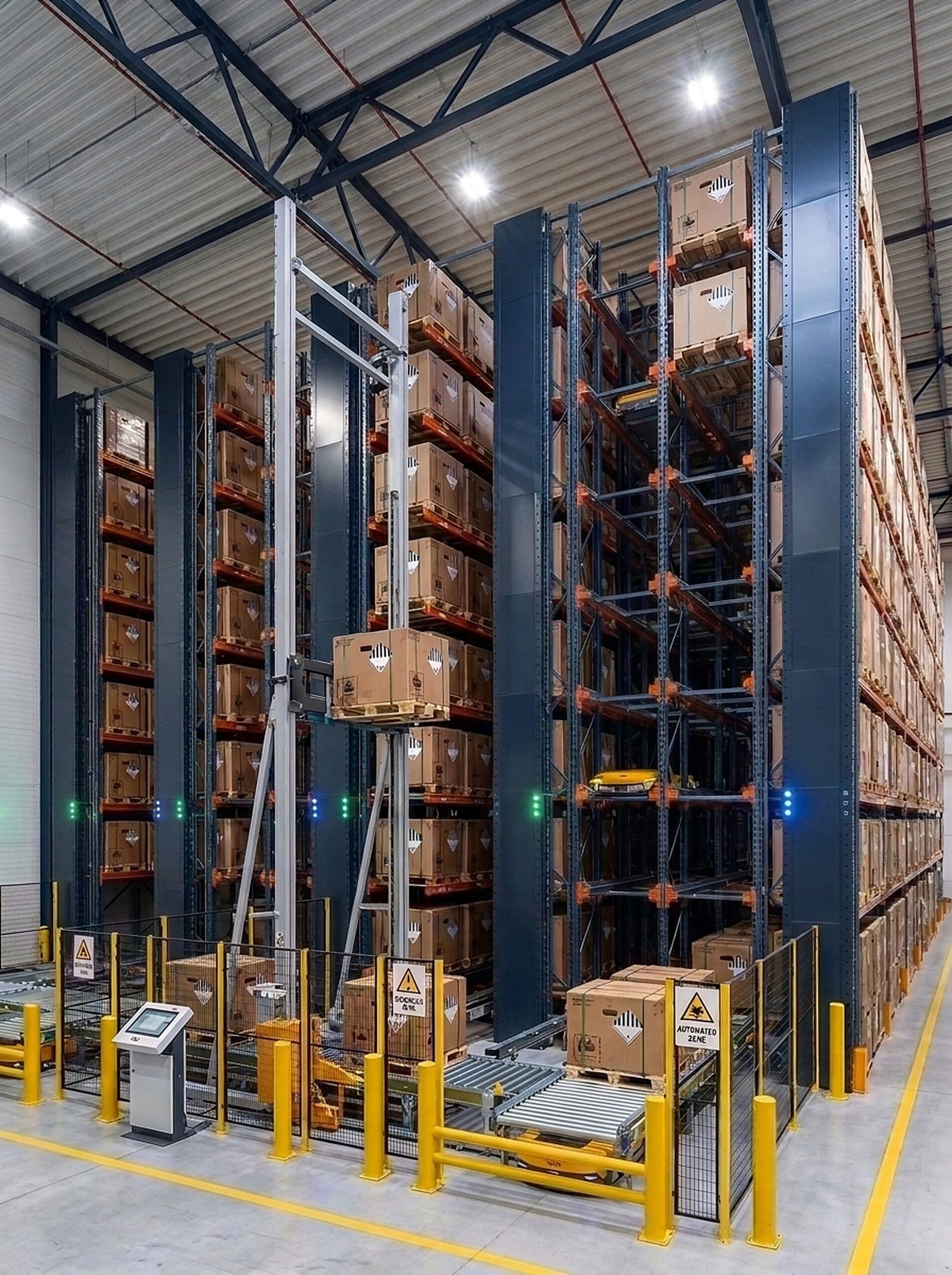
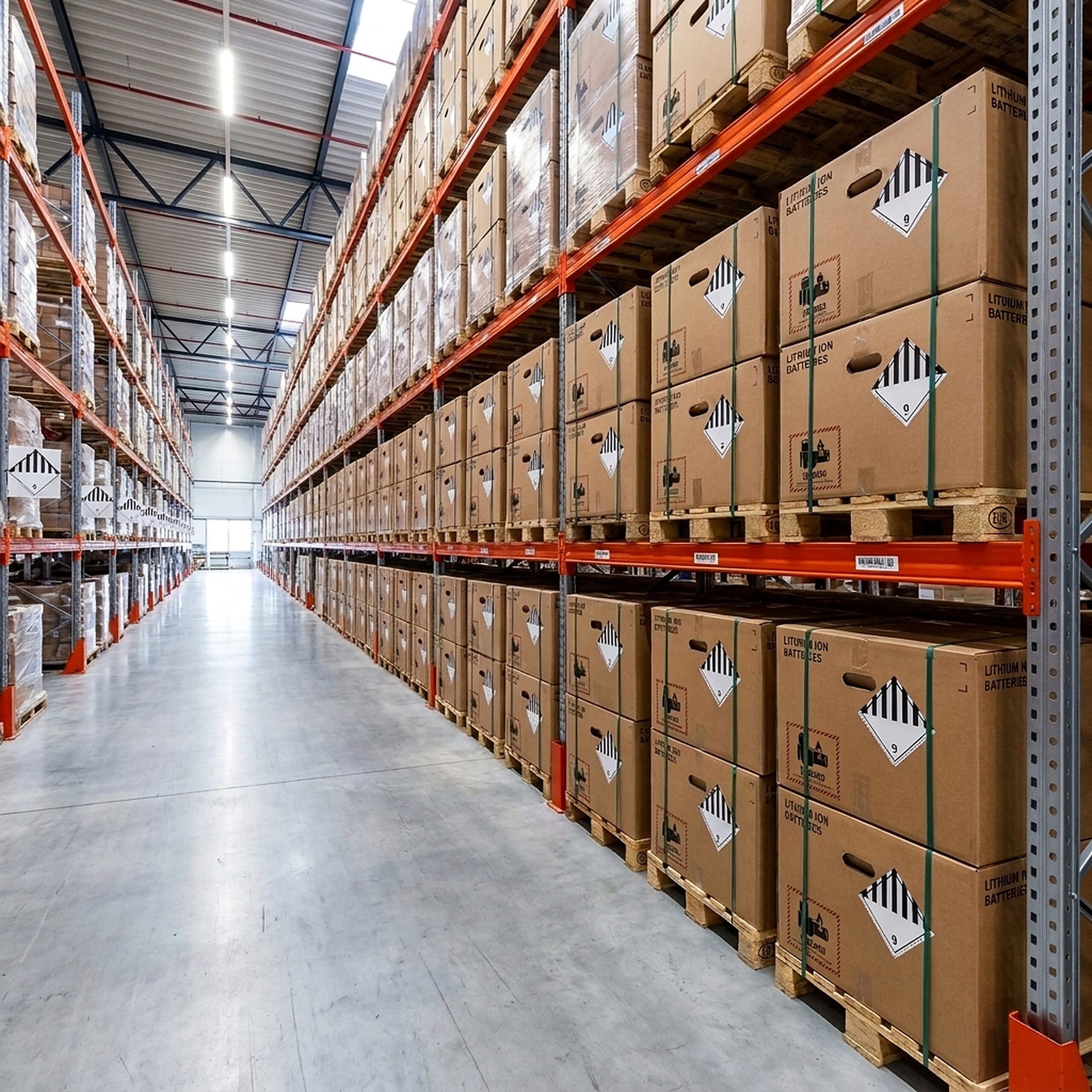
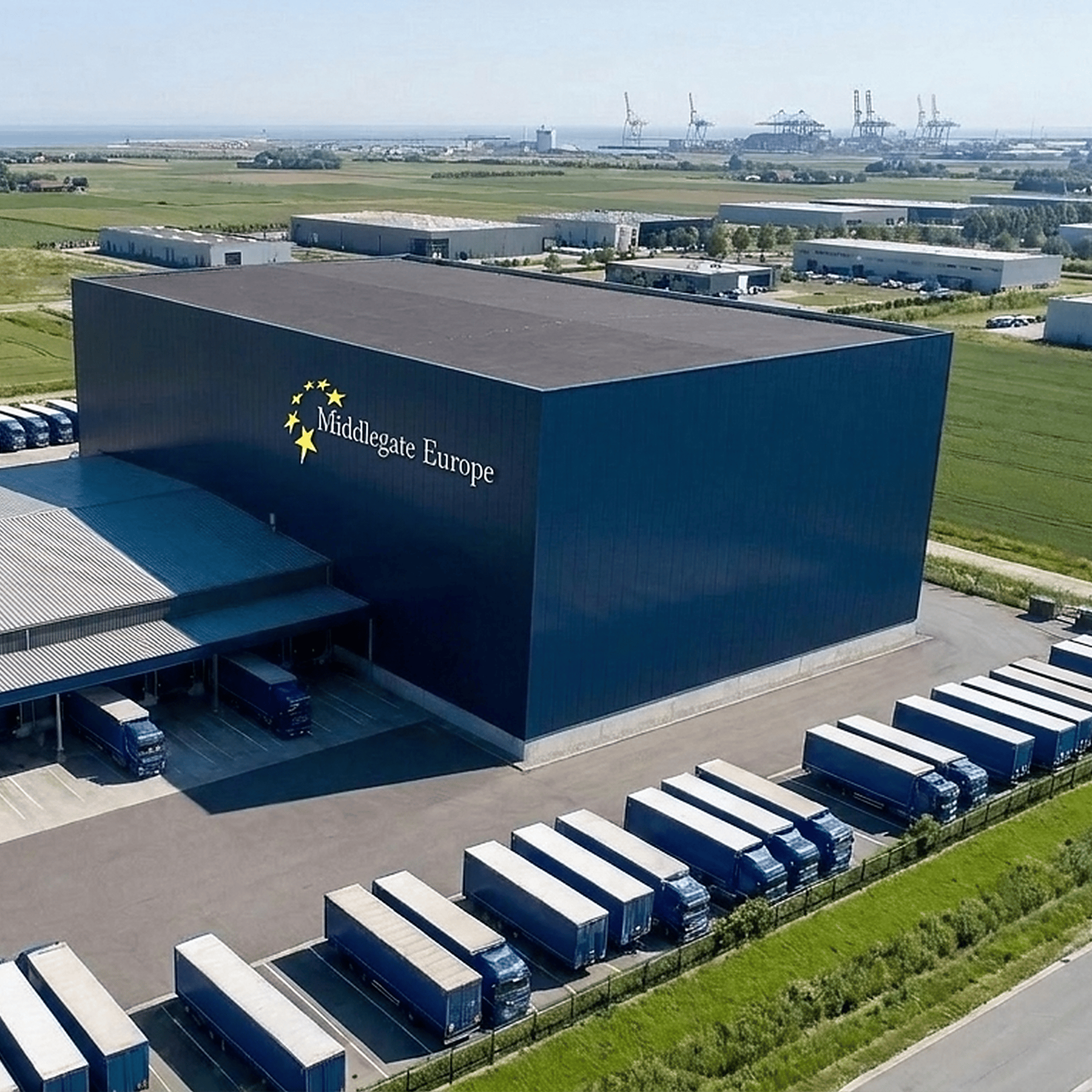
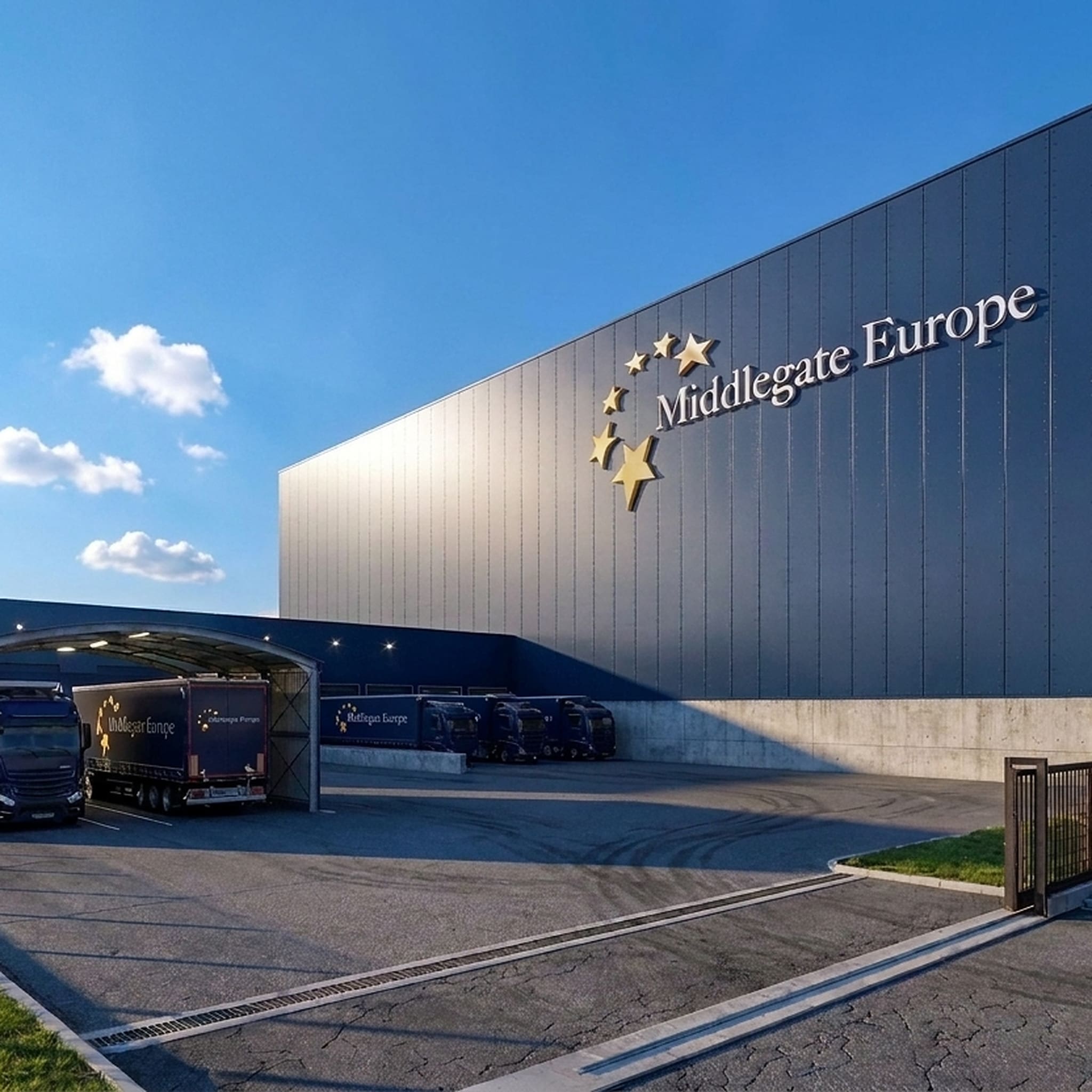
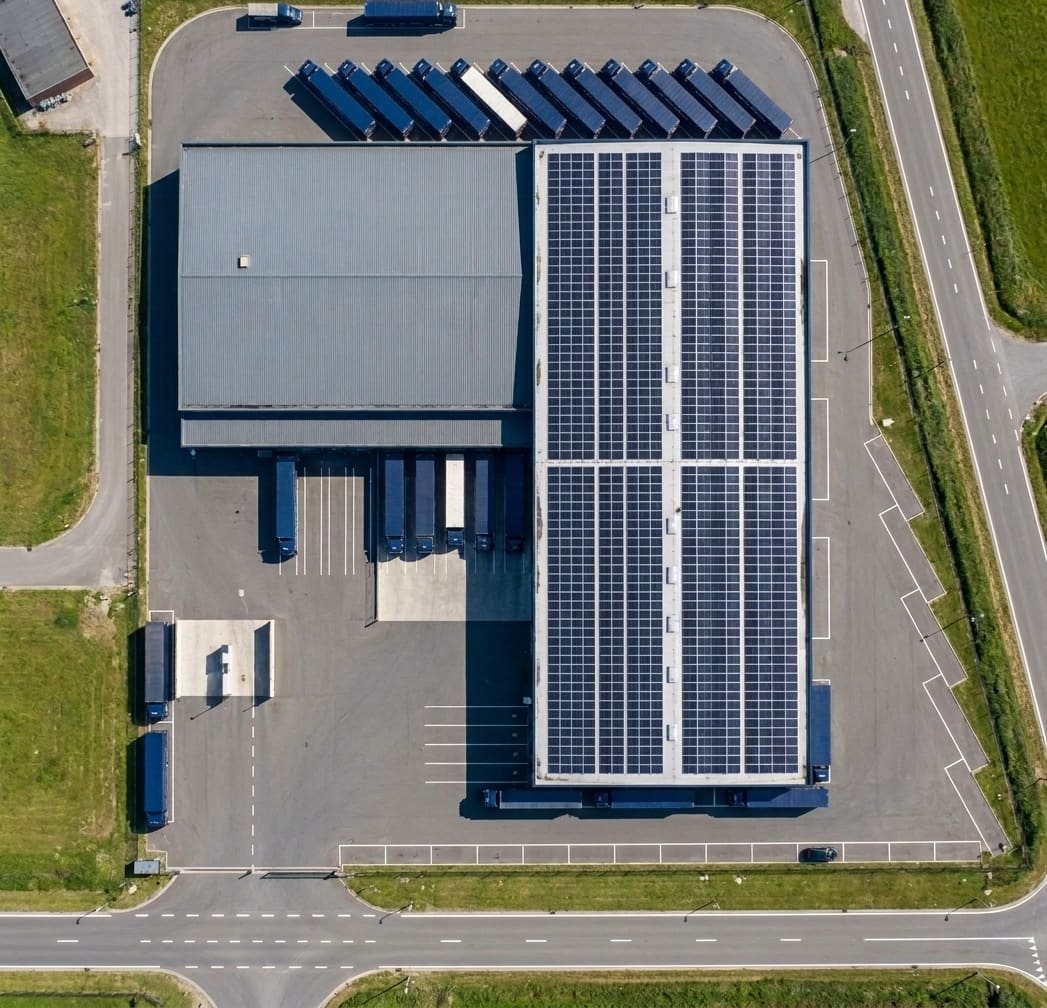
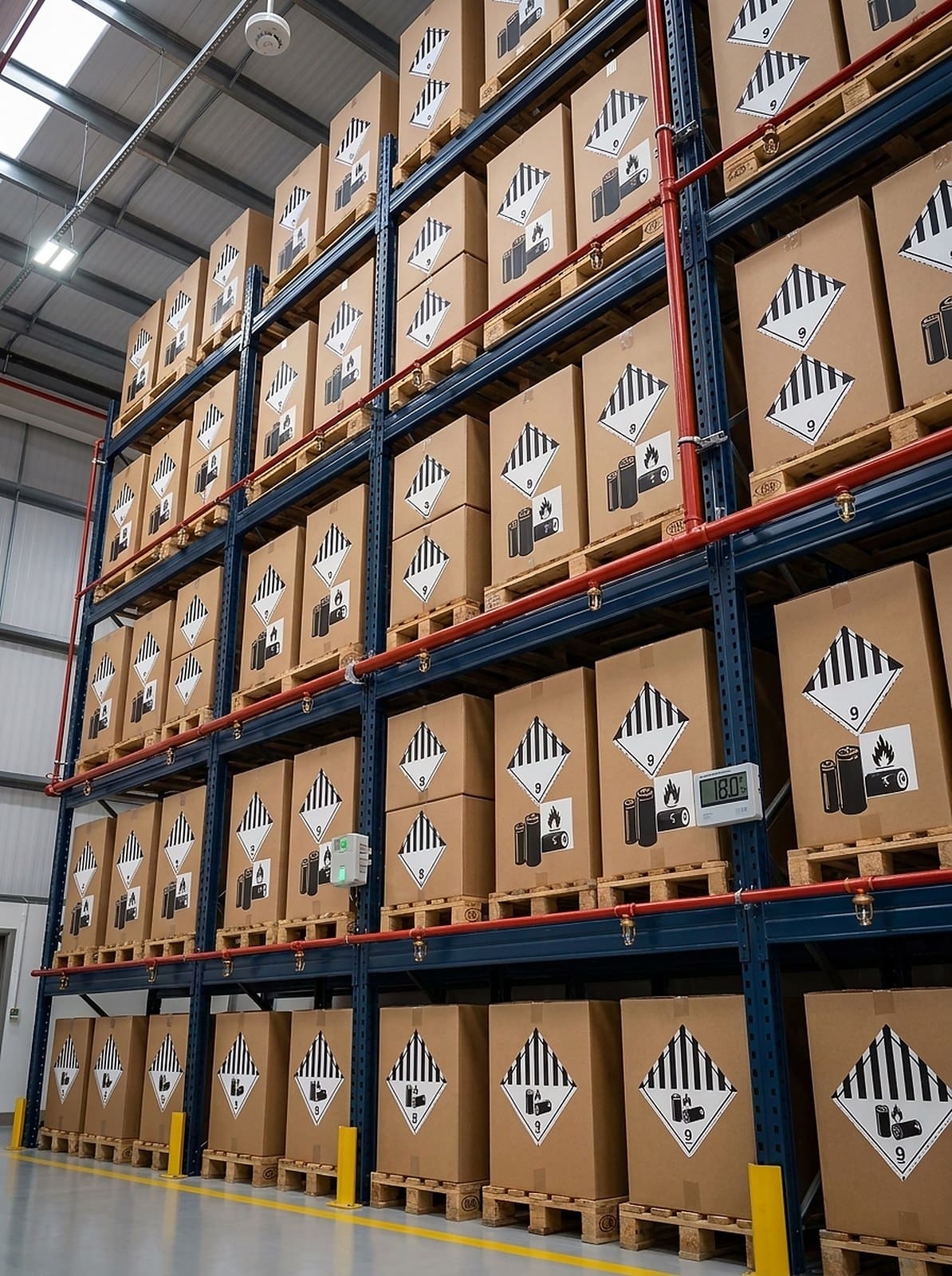
Hulkstraat 3 in Zeebrugge, opening December 2026, five kilometres from the deep sea container terminals. Just under 3,000 square metres of floor carrying 13,000 pallet positions, because the roof sits at 25 metres, the usable storage height is 20 and the racking is automated. Most warehouse space in this region stops at ten or twelve metres, so the same volume elsewhere costs you three times the ground area and three times the rent.
The racking takes Euro pallets and block pallets, and the building holds a constant 18 degrees, which is where lithium cells want to sit. The battery allocation is flexible: take a compartment of it or take the building. Behind it sits the rest of the network, 42,000 m2 across Zeebrugge, Liege and Hull, with our own fleet for the distribution leg.


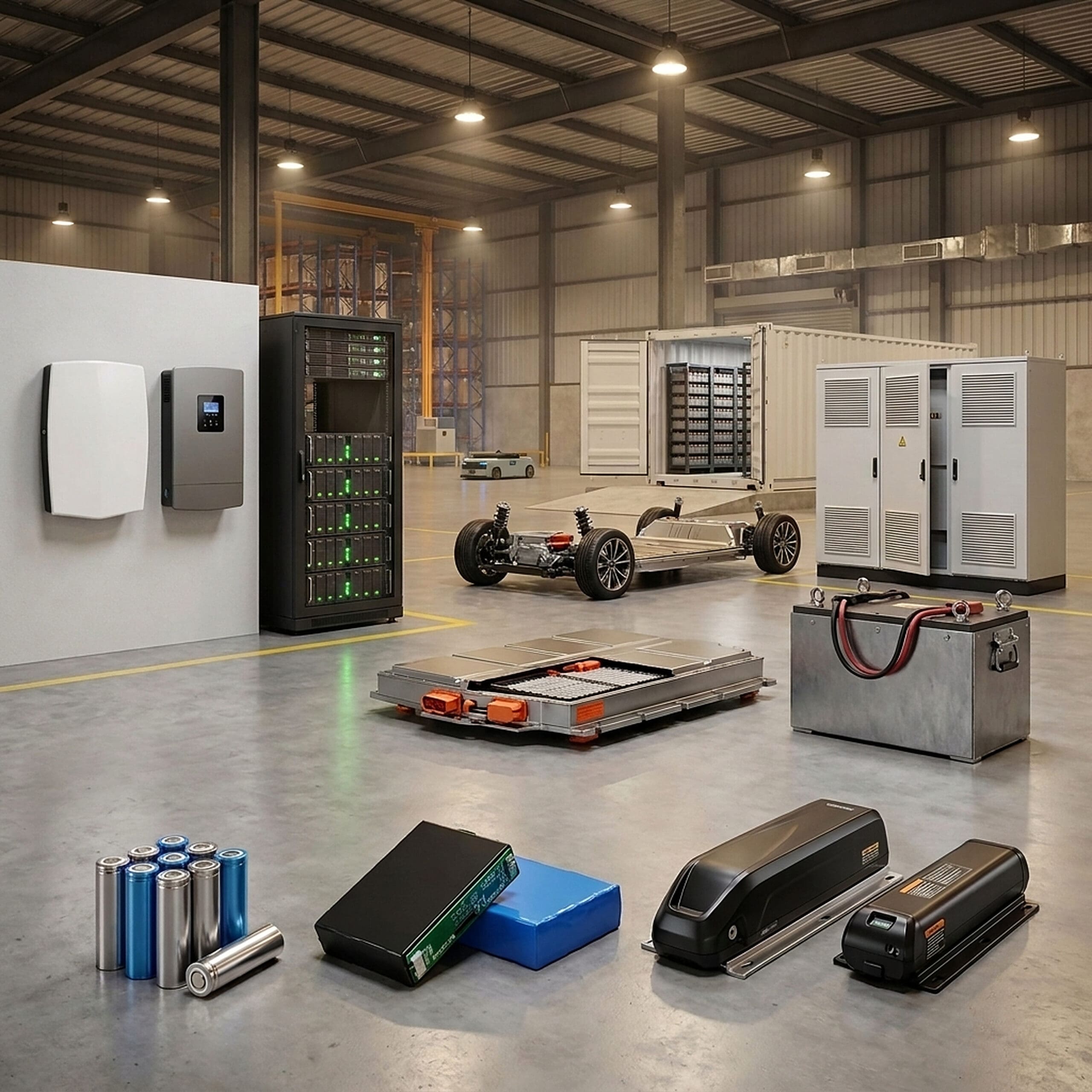
We hold new product. Factory sealed, on its way to a customer, not on its way to a recycler.
Used batteries, end of life volume, damaged units and recalled consignments belong in a waste permitted facility, and we are not one. Keeping that stream out is what lets us run a single clean risk profile across the building, which is what your insurer and ours both want to see. Send us the UN number, the classification and the documentation before the vessel sails and you will have a firm answer on handling before the container lands.
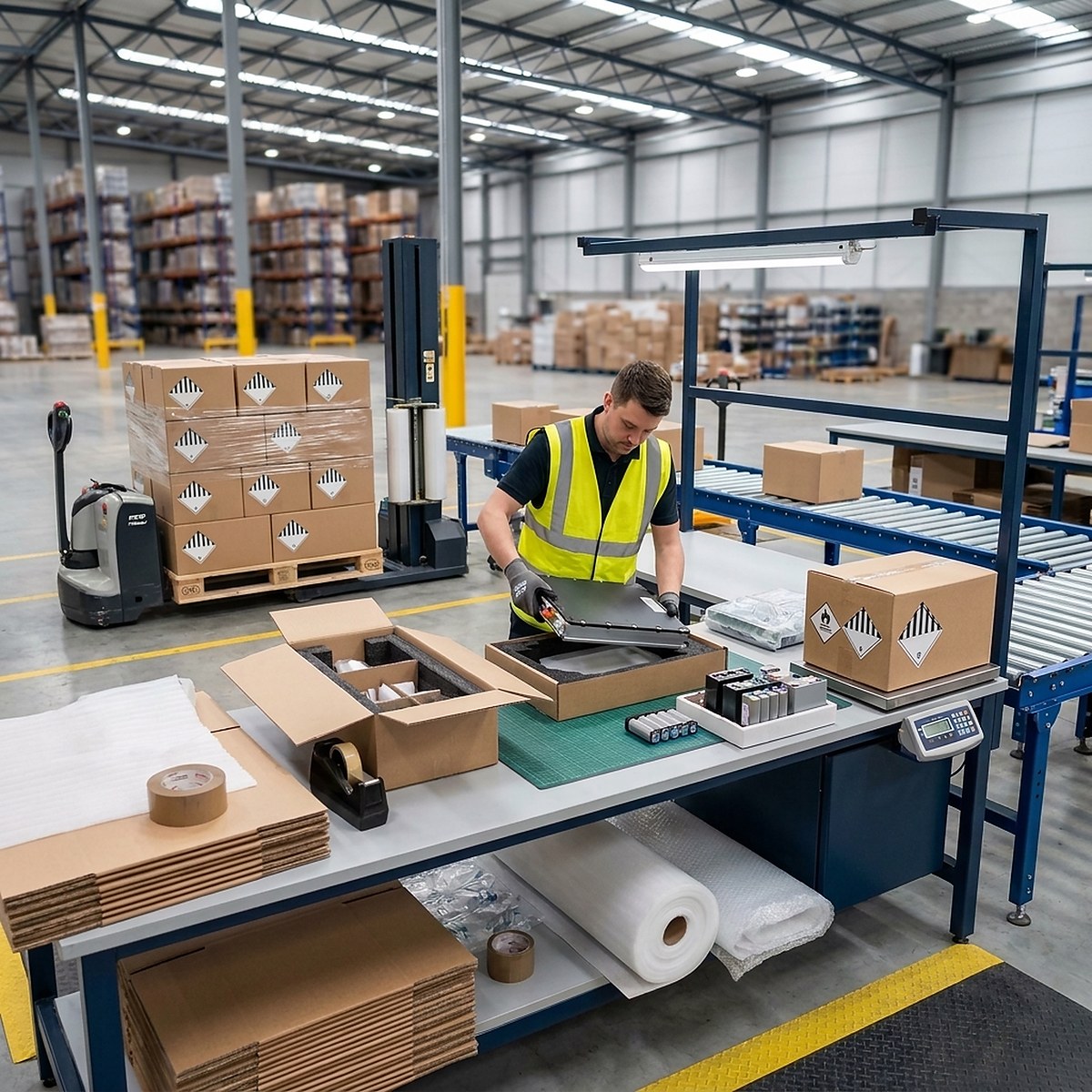
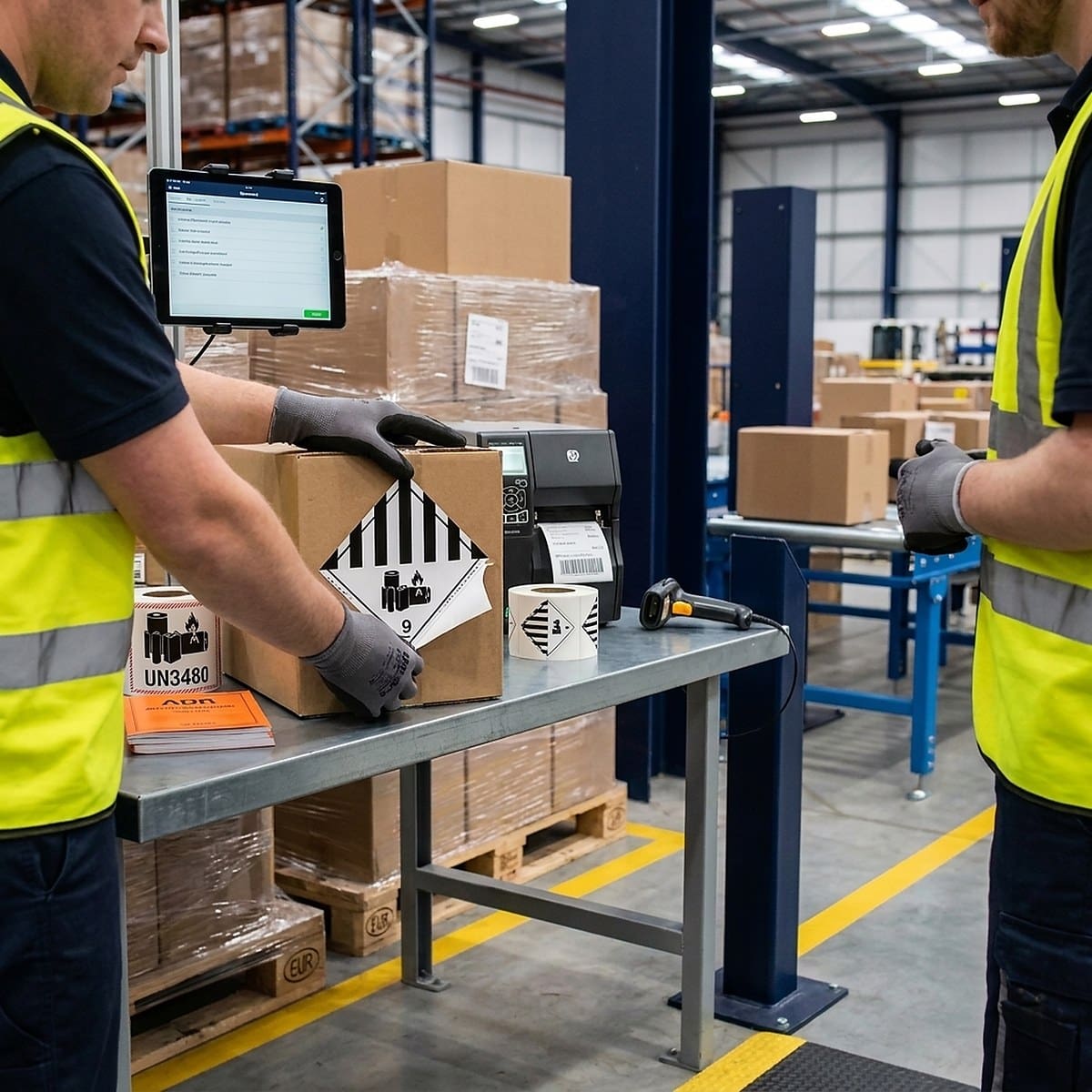
The handling that keeps a battery programme moving.


There is no Belgian equivalent of the Dutch PGS 37-2, and no battery storage certificate to hang on the wall. In Belgium what decides whether a building may hold lithium is the environmental permit for the site, the fire brigade zone that would have to attend it, the fire protection engineering, and the insurer who underwrites it. We are working through all four now with specialist advisers.
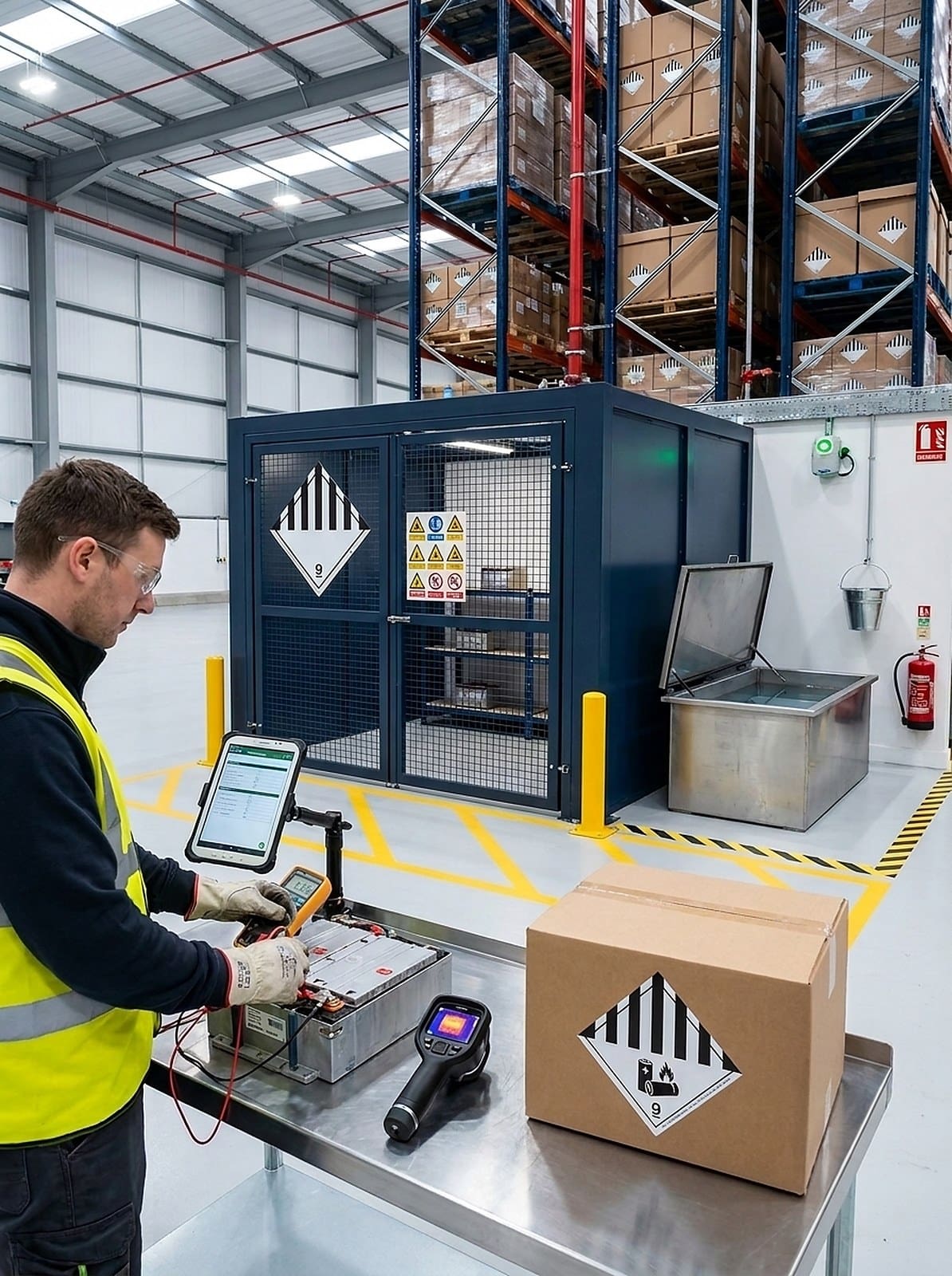
The design. In-rack sprinklers, a constant 18 degrees, gas detection, smoke detection and compartmentation across the building, with camera surveillance and controlled access on who gets near the racking. A quarantine area for units that need isolating and an immersion zone for damaged cells. Specified into the build rather than added to it, which is the part you cannot retrofit into an existing hall at any sensible cost.
What we will not do. We will not take stock this building is not designed and cleared to hold, and we will not quote on a consignment before we know its UN classification. If you have been told elsewhere that it will probably be fine, that is the answer you should worry about.
The company behind it. Family owned and asset based since 1989. 120 tractors, 220 trailers, 42,000 m2 of warehousing in Zeebrugge, Liege and Hull, customs clearance in house and dangerous goods safety advisers on the payroll.